Artificial Leather vs. Genuine Leather: Which Is The Better Choice?
I'll admit it: I used to think all leather bags were created equal. Then I watched my favorite work bag, a sleek faux leather number I'd carried religiously for two years, begin to peel at the corners during a particularly humid monsoon. The handles cracked and the bag I'd loved started collapsing. By year three, it looked less “quiet luxury” and more “quietly falling apart.”
That bag taught me what no amount of Instagram scrolling could: material matters. Not just for aesthetics, but for how a bag performs in your actual life: squeezed into office cubicle corners, set down on gritty sidewalks, or placed under airplane seats and overhead storage.
If you've ever stood in a store debating whether to invest in genuine leather or opt for its more affordable artificial counterpart, you're asking the right question. But the answer isn't as simple as “real is always better” or “vegan is more ethical”
We’re here to help you unpack what you're buying and how a bag fits into the life you're building.
What Is Artificial Leather? PU, PVC, and Vegan Alternatives
Artificial leather is synthetic material built to mimic animal hide without involving animals. The most common types are PU (polyurethane) leather and PVC (polyvinyl chloride) leather, created by coating fabric with plastic polymer. Factories take woven polyester, apply polymer layers, then emboss surfaces with grain patterns that mimic cowhide.
Walk into any fast-fashion store, and you’ll find them: buttery-soft totes labeled “vegan leather,” sleek crossbodies tagged “PU material,” and structured satchels that boast “cruelty-free"” credentials. They look expensive, photograph beautifully and cost a fraction of their genuine leather counterparts.
Modern innovations can fool even discerning eyes initially. You’ll also see newer plant-based alternatives like mushroom leather, cactus leather, or apple leather, though these remain experimental and commercially unviable.
For many shoppers, artificial leather’s appeal is obvious. It gives you the look of luxury without the animal-derived guilt or steep price tags. And I’d say, for occasional-use bags like a wedding clutch or a seasonal piece, it can serve its purpose.
But that’s where glossy marketing ends. There are issues that artificial leather won't advertise.

PU leather typically begins deteriorating after 2-5 years of regular use. The polymer coating doesn't flex and recover like genuine hide. Every time you load your laptop, every crowded commute, microscopic cracks form in the plastic surface.
High-stress areas fail first. The handles that beat daily weight, corners hitting tables and seams that bend repeatedly. One day you notice a small peel, then a month later, it's spread and six months after that, the “leather” is flaking off in sheets to reveal fabric backing underneath.
Once faux leather cracks or peels, it can’t be restored. You can keep it clean, but you cannot extend its lifespan. It's on a countdown from purchase day.
Compare that to genuine leather, which can be reconditioned, re-dyed, patched, and brought back to life after decades.
Is It Worth Buying Genuine Leather Bags?
Let's cut straight to the midnight shopping cart question: is spending ₹22,000 on a leather tote justifiable?
When I chose to design Opaline handbags with the highest quality of leather: full grain, here's the framework that helped me think clearly.
A ₹5,000 faux leather bag that lasts three years = ₹1,667 per year. A ₹21,999 full-grain leather bag that lasts fifteen years = ₹1,466 per year.
And, that leather bag may even outlast year fifteen; it might last thirty. The math changes dramatically when you calculate actual cost-per-wear.
Besides, we must all acknowledge that “worth it” isn't purely financial. It's emotional, practical, and tied to how you move through the world. At 60, imagine being able to hold your full grain leather handbag you bought when you got that big promotion at 30.

When Genuine Leather IS Worth It
When your bag is part of your professional toolkit
If you're carrying your handbag into boardroom meetings, client presentations, investor pitches, where details are noticed, a beautifully aging leather bag signals intentionality, longevity and considered choices.

When you're building a long-term wardrobe
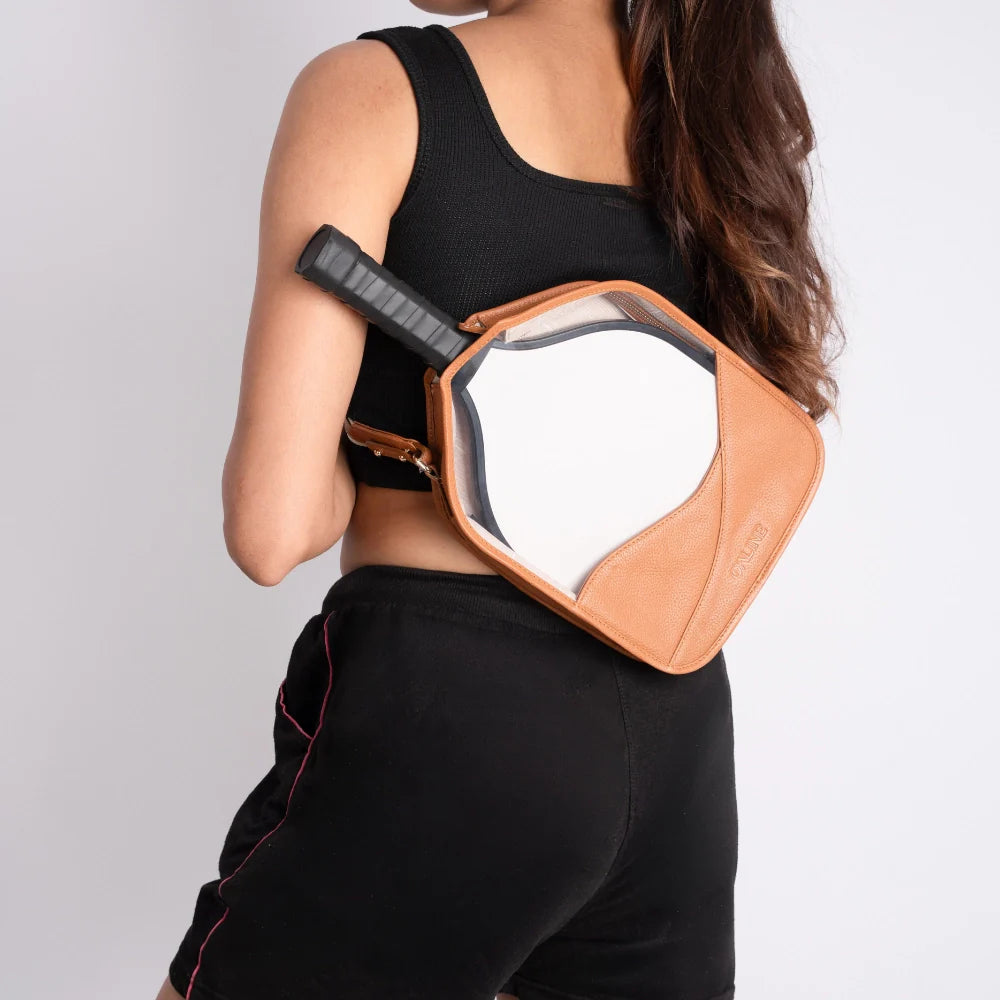
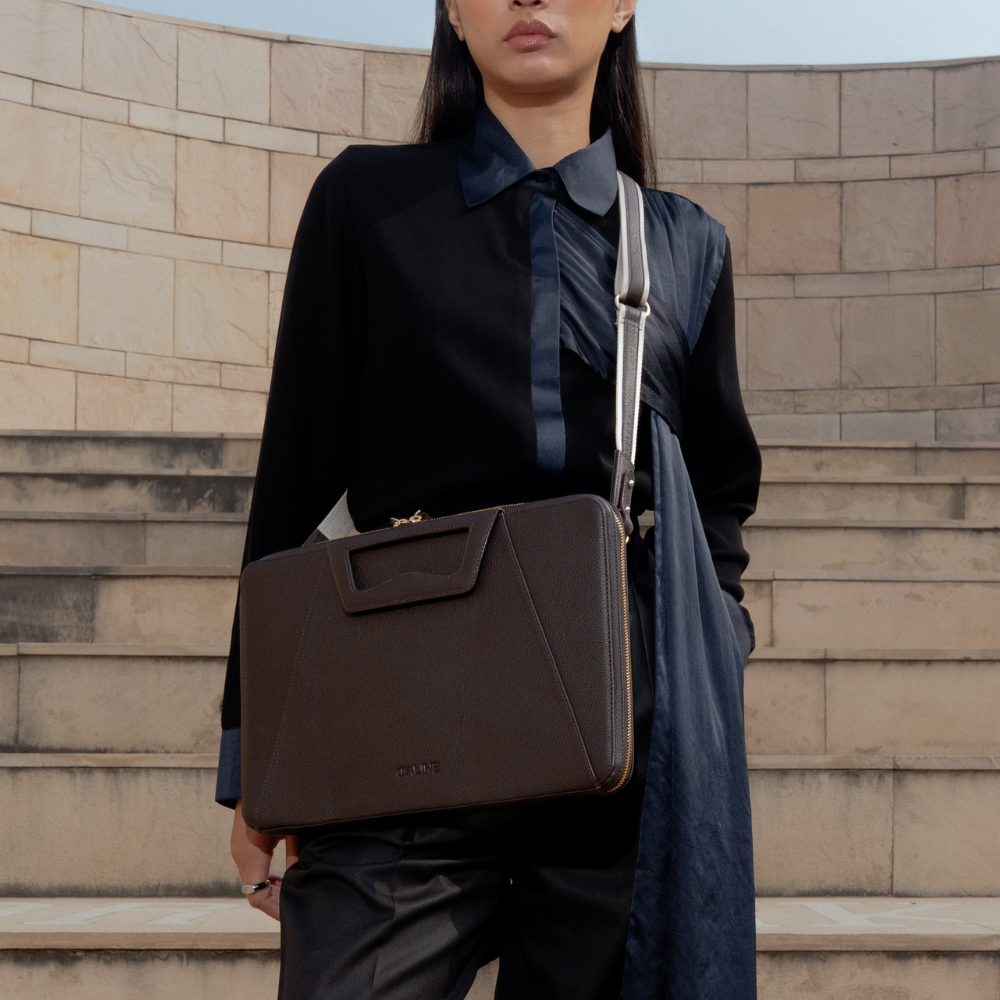
There's particular freedom in owning pieces that don't require replacing every few seasons. Brands like Opaline, with their minimalist structured designs, understand this: a 929 Tote isn't chasing trends, because it's built for the long game.
When climate plays a role
Humidity is unkind to synthetic materials. PU leather in tropical climates becomes odor-prone because the non-breathable plastic traps moisture. By contrast, full-grain leather breathes, wicks moisture, and adapts. When you're moving between sweltering outdoor heat and chilled office spaces multiple times daily, breathability is a necessity.
When you value aesthetics
I love watching leather develop character, slight darkening where hands grip handles, creasing where bags naturally fold. Faux leather doesn't patina, it just degrades.
When you need work-to-weekend versatility
A quality leather bag that holds up across contexts replaces multiple specialized bags. This is where Opaline's “intentional, everyday carry” philosophy for 9-to-9 lifestyles makes tangible sense.
Quality Markers of Genuine Leather Handbags
Not all “genuine leather” is equal. In fact, “genuine leather” is often the lowest quality grade, industry code for "yes, this came from an animal, but we've processed it so heavily that most benefits are gone.
Full-grain leather sits at the top, the outermost layer completely intact, all-natural grain and tight fiber structure with nothing sanded away. It's strongest, most breathable, and ages beautifully. Full-grain leather is also the most expensive.

“When I launched Opaline, full-grain leather was non-negotiable,” says Swati Sinha, founder of the Mumbai-based brand.
“I wanted bags that would accompany women through years of their professional lives. Not just look good initially but earn their place over time. Full-grain leather was the only material that aligned with that philosophy.”
- Swati Sinha, Founder, Opaline

Top-grain leather is sanded to remove imperfections, then artificially grain-stamped. It’s still real leather and relatively durable, but less unique and long-lasting than full grain.
Genuine leather (the actual grade) uses leftover layers after top grain is split off. Essentially, it's made with the weakest part of hide that is heavily treated. It’s stiff, cracks easily, and doesn't age well.
Beyond leather grade, examine the quality of stitching, hardware and lining. Your shortcut to trustworthy brands is this: do they specify exactly what leather grade they use? Brands that hide behind vague "genuine leather" claims often conceal mediocre materials. If a brand specifies “full-grain cowhide”, it’s a sign of transparency worth trusting.
Artificial Leather vs. Genuine Leather: Which Lasts Longer?
Genuine leather lasts dramatically longer. A well-made PU leather bag used gently might give 5-7 decent years. Daily use accelerates deterioration to 2-4 years before peeling makes it look unprofessional and shabby. Conversely, if properly maintained, a full-grain leather bag can last 15-25+ years of regular use. Some outlast you. I've seen functional, beautiful vintage leather bags from the 1970s.

This matters enormously in a professional context. A five-year-old maintained leather tote still looks polished, intentional, and shows thoughtful choices. A three-year-old faux leather bag showing deterioration sends the wrong signals entirely.
For everyday work bags that need to take you through full schedules and stand by you for the long haul, leather is non-negotiable. This is where Opaline’s philosophy around intentional, everyday carry for 9-to-9 lifestyles becomes genuinely relevant.
 Maintenance & Care of Leather Handbags: The Truth About “Easy”
Artificial leather is objectively easier to maintain. Wipe with damp cloth, use mild soap for stains, air dry. Done. No special products, routines, or learning curve required.
But the truth is more nuanced. Artificial leather requires less maintenance because there's nothing you can do to maintain it. You can clean surfaces, but you cannot preserve it, extend lifespan, or prevent inevitable deterioration. Once polymer coating cracks—and it will—no careful wiping stops progression.
Full-grain leather demands attention, including conditioning 3-4 times yearly for daily bags, proper storage, shape retention, humidity awareness and immediate action in case of spills. One could argue, there's a learning curve.
But that work gives you agency over longevity. Every conditioning extends life, treating water stains prevents permanent damage and proper storage protects your investment.
While artificial leather takes less initial effort, you'll likely replace it 3-4 times over the years, repeating the entire cycle of researching, buying, breaking in, and discarding each bag. Real leather needs regular maintenance, but it pays off. One quality bag can serve you for over a decade with just occasional conditioning.
In humid climates like Mumbai, synthetics need frequent cleaning for moisture accumulation and odor (which cannot be conditioned away). Genuine leather needs anti-fungal care but responds beautifully.
Reality Check: The Environmental Impact
Many people choose artificial leather believing it's environmentally responsible. “Vegan leather” sounds almost virtuous. But let’s call it what it is: calling artificial leather “sustainable” vastly oversimplifies a complex equation.
Most “vegan leather” (95%+ in stores) is PU or PVC: petroleum-derived plastics. Not plant-based, or biodegradable, so essentially, you're buying plastic textured to look like hide.
Plastic production requires fossil fuel extraction and energy-intensive manufacturing. PVC involves chlorine and hormone-disrupting phthalates. Both take hundreds of years to break down, and release microplastics that persist essentially forever.
Perhaps most insidious is that artificial leather's low cost encourages disposable consumption. Replacing ₹3,000 bags every three years doesn't feel significant financially, but multiply across millions of consumers, and you've created massive plastic waste streams.
One bag that lasts twenty-five years generates less waste than eight bags lasting three years each, even if that one bag came from animal hide. When you consider the “Sustainability through longevity” that genuine leather gives you, it makes sense. .
Neither option is perfectly green. But when you compare the materials for handbags meant to last years, the environmental equation tilts toward durability. The most sustainable bag isn't necessarily the one made from “most sustainable” material. It's the handbag you'll use the longest.
Frequently Asked Questions
Does genuine, full grain leather last longer than faux?
Yes, full-grain leather lasts significantly longer than faux leather. Genuine, full grain leather can last 15-25+ years with maintenance; PU/PVC deteriorates after 2-5 years. Genuine leather can be reconditioned and repaired; artificial leather cannot.
Can you tell the difference between real and fake leather?
Often, yes. Genuine leather has natural grain variations, an earthy smell, warm supple feel, slight imperfections. Artificial feels plasticky, has an overly perfect texture, and chemical odor. High-quality fakes can pass for real at first, but differences become unmistakable as genuine leather develops patina while synthetic leather degrades.
Is vegan leather better for the environment?
Not necessarily. Most “vegan leather” is petroleum-based PU/PVC plastic. It’s non-biodegradable, releases microplastics, and encourages disposable consumption. One full-grain leather bag lasting 20+ years creates less waste than multiple synthetic bags replaced every few years.
What is the best leather for everyday bags?
Full-grain leather is the most durable grade, ages beautifully, develops patina, breathes, and responds to conditioning and repair. For everyday work bags, full-grain leather justifies the cost.