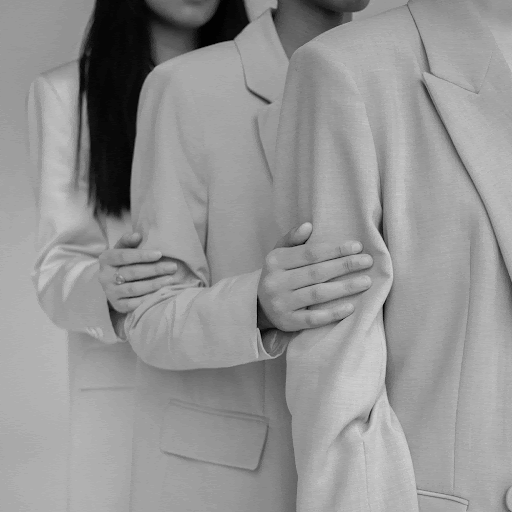

The New Status Symbol: Why Quiet Luxury is Replacing Logo Mania
For years, the language of luxury was shouted from monogrammed canvas and branded embellishments. Today, you'll find it in impeccable tailoring and understated elegance.
The dramatic shift from conspicuous consumption to “quiet luxury” isn't a trend. The affluent (and more importantly, the discerning) have changed how they signal their status.
Armando Zuccali, Founder & CEO at Gag London Equity Capital opines “For three decades, luxury has been performing a magic trick: transforming cultural authority into financial returns at unprecedented scale. But magic tricks rely on misdirection. And increasingly, the audience is noticing what's hidden behind the curtain.”
He adds “In the 1990s, Karl Lagerfeld remained at Chanel for thirty-six years. He built a layered aesthetic universe recognizable across generations.
Now, compare that to the present. Today, the average tenure of a creative director at major houses is three to five years. Matthew Williams lasted three years at Givenchy. Hedi Slimane, four at Celine. Sarah Burton just arrived — Givenchy's fifth creative director in sixteen years.
Each new creative director arrives with the implicit mandate to “reinvent” the brand, to generate buzz through aesthetic rupture. The result is that nobody remembers what the brand stands for anymore.”
Where logos once served as the ultimate calling card, today's discerning shoppers are gravitating toward pieces that require a trained eye to recognize their worth. It's a return to old money aesthetics, where quality speaks louder than any label ever could.
The Death of the Logo (Or Is It?)
Walk through any upscale neighborhood today and you'll notice the striking absence of visible branding. The handbags are sleek and minimal, and clothing is exquisitely tailored but devoid of obvious labels.
After decades of logo-driven marketing that made luxury accessible, aspirational, and frankly, everywhere, the truly discerning are seeking distinction through subtlety.
When everyone can purchase an entry-level designer piece covered in logos, suddenly, those markers lose their exclusivity. Quiet luxury requires insider knowledge; it does not feed on spectacle. It's understood by those who recognize that a perfectly constructed handbag or an impeccably finished shoe tells a far more sophisticated story than any monogram ever could Swati Sinha, Opaline founder opines “Logomania often overshadows the wearer. We’ve stayed away from loud logos, so your individual personality shines through, while the bag effortlessly carries you through your day”.

What Defines Quiet Luxury?
If logos are out, what's in? Craftsmanship, fabric quality, and fit, all markers of understated elegance.
Think buttery cashmere knits that drape beautifully, tailored trousers with a perfect finish, and accessories crafted from genuine leather. Understanding the difference between artificial leather and synthetic leather matters here. With hand-stitched seams and leather that only improves with age, genuine leather pieces won't demand attention on social media but will command respect in every room you enter.
The color palette has shifted too. Forget the bright hues and bold patterns that dominated the logo era. Your quiet luxury wardrobe lives in a world of camel, cream, charcoal, moss green and navy that feel sophisticated and timeless.

Natural fabrics now reign supreme: silk, cashmere, wool, and leather crafted without shortcuts. These materials age gracefully, and develop character rather than showing wear.
Quiet luxury is about building a collection that transcends seasons and trends; a wardrobe that feels both current and enduring.
Related: Loop Cardholder - Moss Green
The Cultural Forces Driving the Shift
Social media saturation has made conspicuous consumption feel performative and exhausting. When everyone is broadcasting their purchases online, the act loses its exclusivity and begins to feel excessive. The truly discerning, it turns out, don't need to prove anything to anyone.
In a climate of rising inflation and social unrest, “loud” displays of wealth are increasingly viewed as tone-deaf. Quiet luxury offers a way to maintain quality of life without appearing oblivious to the world's challenges.
The HBO series Succession and Gwyneth Paltrow’s 2023 “courtroom chic” became the primary blueprints for the “stealth wealth” look, featuring neutral-toned cashmere, bespoke tailoring, and unbranded leather.
There's also a generational shift. Younger luxury consumers prioritize authenticity and sustainability over status symbols. They're more likely to invest in pieces they'll wear for years rather than chase passing trends. For this audience, quiet luxury aligns with values around conscious consumption and environmental responsibility.
The New Markers of Status
If logos no longer signal affluence, what does? The answer is more nuanced and more interesting.
Today's status markers include perfect fit: think clothing that's clearly been tailored to your exact measurements. Knowing the story behind a piece, not just who made something, but where the materials came from and how it was crafted.
It includes rarity, such as owning items from limited collections or working directly with makers. Luxury brands like Opaline, for instance, proudly announce that every piece is made by artisans in India with decades of generational experience.
Time has become the ultimate luxury. Pieces that require hours of hand-finishing, materials that take months to source, items that demand proper care and attention signal a life lived thoughtfully. Luxury is no longer about what you can afford but what you have the knowledge and patience to appreciate.
Consider the emerging class of designers who embody this approach. Swati Sinha spent 16 years in global retail and fashion consulting before creating a line that answers a question many modern women have been asking: “why can't my bag work for my work day and beyond?”

The Opaline collection exemplifies the quiet luxury approach. Full-grain pebbled leather on the Lumen daypack develops its own beautiful patina over time. Its unique appearance is a conversation starter and it’s designed to switch seamlessly between tote and backpack without compromising structure or style.


“My vision when designing the day pack was to create the kind of piece that doesn't announce itself but quietly solves your daily puzzle of balancing work, travel, and everything in between.” adds Swati. Crafted in small batches and refined through months of testing with working women, it’s exactly the opposite of mass-produced logomania.
The same philosophy extends to smaller leather pieces. If you've ever fumbled through your bag searching for your cards, you'll appreciate Opaline's Loop cardholder. Its slim vertical form and snap hook let it attach inside your bag so your essentials stay accessible.
And for those of you constantly traveling, the Sora wallet handles the unglamorous logistics beautifully. Lightweight and refined, it keeps everything from your passport to currency organized and within reach, so you can move through airports with ease.
The Business of Being Quiet
Even brands traditionally known for prominent logos have shifted their approach to discretion. Louis Vuitton indicated plans to reduce the visibility of its famous monogrammed products, placing greater emphasis on higher-end offerings like exotic skins and fine leather goods.
Others have leaned into their heritage of craftsmanship, highlighting skilled workmanship and traditional techniques rather than brand recognition.
Smaller brands and independent designers have an advantage here. Without decades of logo-driven campaigns behind them, they can build their identity around the very principles that define quiet luxury: small-batch production, premium materials, and design born from genuine need rather than trend forecasting.

At luxury handbag label Opaline, for instance, the brand deliberately works in small batches. This decision from the founder, Swati Sinha, is intentional; so she can stand behind every single piece that leaves the workshop. “It's the only way to ensure the leather, the construction, and the finishing meet the standard I'd expect for myself” she says.
Is Quiet Luxury Here to Stay?
Fashion moves in cycles, and what goes around inevitably comes around. Will logos make a triumphant return? Perhaps. But something fundamental has shifted. The conversation around luxury has matured, and shoppers are more educated, conscious, and demanding of substance over surface.
Quiet luxury is a philosophy around value, longevity, and the confidence to dress for yourself rather than the approval of others. In a world that's increasingly loud and demanding of attention, there's something deeply appealing about pieces that simply exist, beautifully, without needing to announce themselves.
For those who’ve embraced this approach, there’s no going back. Once you’ve experienced the satisfaction of perfectly chosen materials or the confidence that comes from knowing your accessories will outlast trends, logos feel unnecessary. Quiet luxury isn’t about hiding wealth—it's about having nothing left to prove.