Summer 2026 Edit: Runway Trends Inspiring Handbag Collections
Something shifted on the spring/summer 2026 runways. From the gilt chains of Valentino to the casually open totes of Loewe, the season told a story of intention.
And if you looked carefully past the spectacle of the front row and the flash of the cameras, you could see that story playing out just as eloquently in the work of smaller, sharper voices. Opaline is one of them.
Here are some of the summer runway trends inspiring handbag collections in 2026.
Less, and better
The conversation around quiet luxury has grown louder with every passing season. What began as a corrective to the logomania of the early 2010s has now matured into something more considered: a genuine design philosophy built around material quality, structural integrity, and hardware that justifies its own existence.
On the spring/summer 2026 runways, this translated into bags where ornamentation had been edited down to almost nothing. We saw functional closures and clean clasps. The gold tones that did appear at The Row, Bottega, Khaite were not just decorative punctuation. Every single piece of hardware completed the bag's geometry.
What does a bag actually need? The answer is not very much. As you’ll see in Opaline’s newest handbag collection , each piece carries only the hardware that is absolutely necessary. Think quality closures, precision zips, fastenings chosen for longevity, each handbag is an investment for the long haul.

A classic returns, on its own terms
Bags with a chain constantly reappear on the fashion radar, whether on the streets or on the runways. But at the spring/summer 2026 shows, this model stood out with a clarity and confidence it has not always possessed. An elegant chain, mostly in gold tones, carrying all the symbolism of luxury that gold has always carried adorned accessories across houses. Valentino paired it with its recognisable logo, Chloé draped it over soft silhouettes alongside floral dresses, and Ferragamo wore it as a statement of jewellery-inflected intention.
At Givenchy, Sarah Burton took the chain in a more sculptural direction. The snatch bag features functional, angular zipper pulls and an organic metal chain adornment that drapes across the bag’s corset-inspired waist in either silver or gold. The message was consistent wherever you looked: the chain is a statement of elevation, of declaring that you are not in a hurry, even when you are.

Photography by David Sims
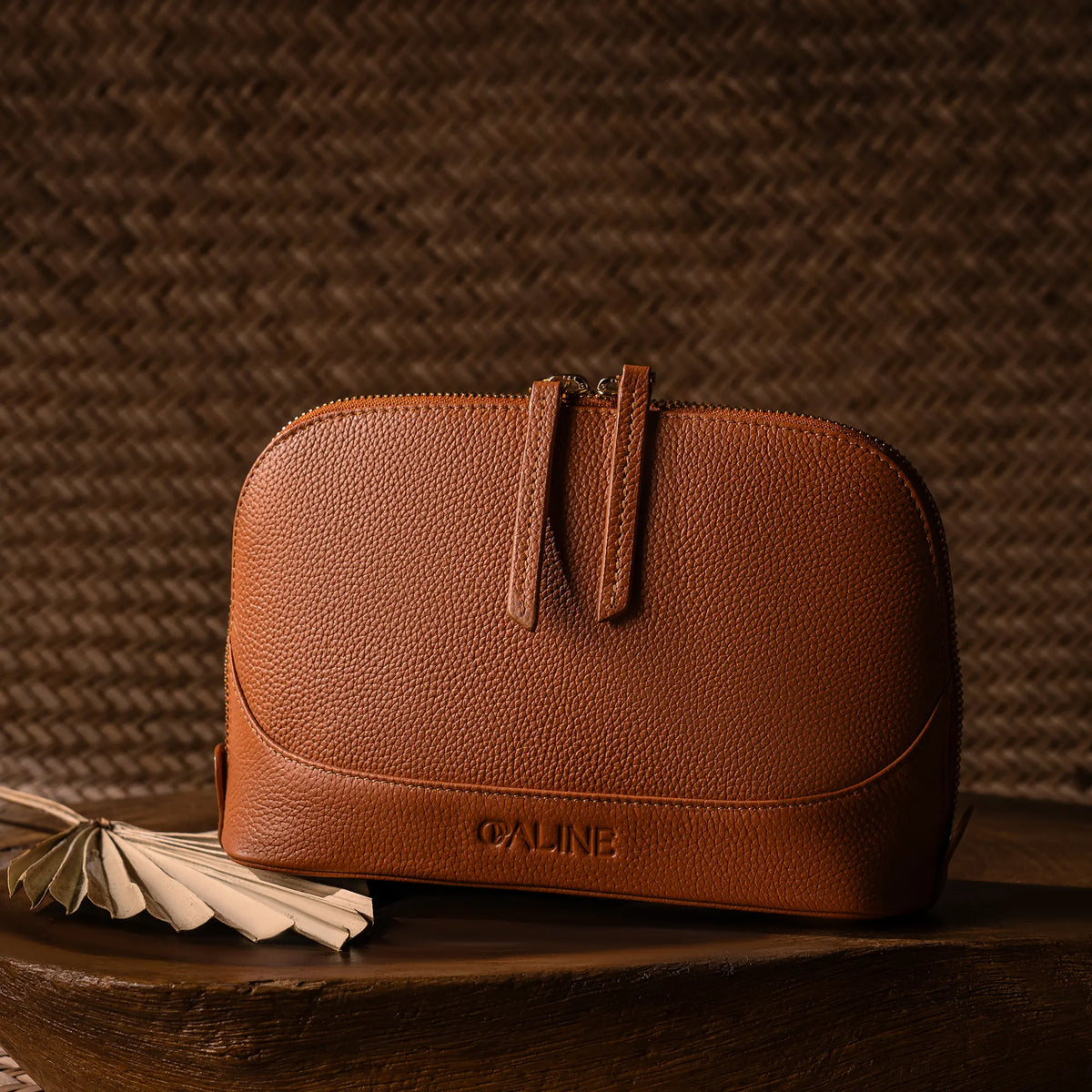
Opaline's Mini Wristlet Pouch, which featured on Vogue’s Summer Shopping Guide , has been making this argument all along. Finished with a fine gold-toned chain strap, it occupies the space the runways are now celebrating. Compact, considered, and entirely self-assured, the bag has the authority of something made well, carried confidently, and worn without apology.
 Shop: Mini wristlet pouch (featured on Vogue India)
Old favourites, new light
Nostalgia has for some time been one of the main guiding threads shaping contemporary fashion trends. Inspired by hits from the past, fashion houses decided for spring 2026 to bring back bags that earned cult status in other eras. Naturally, in a new, more modern guise.
Pierpaolo Piccioli chose to revive the iconic Le City bag for Balenciaga, Matthieu Blazy drew inspiration from Chanel's 2.55 model and Michael Rider presented a new version of the Phantom in the Celine collection.

The return of these updated classics also drew attention back to their archival originals and demand for vintage pieces spiked almost immediately. The fashion world, it seems, is hungry not just for newness, but for continuity. For the comfort of knowing that some things were made to last.
What makes an archival bag worth revisiting? Almost always, the answer is structure. A silhouette strong enough to survive decades of trend cycles and emerge, on the other side, still relevant. And most importantly: the absence of anything disposable. These bags were built for the long view.
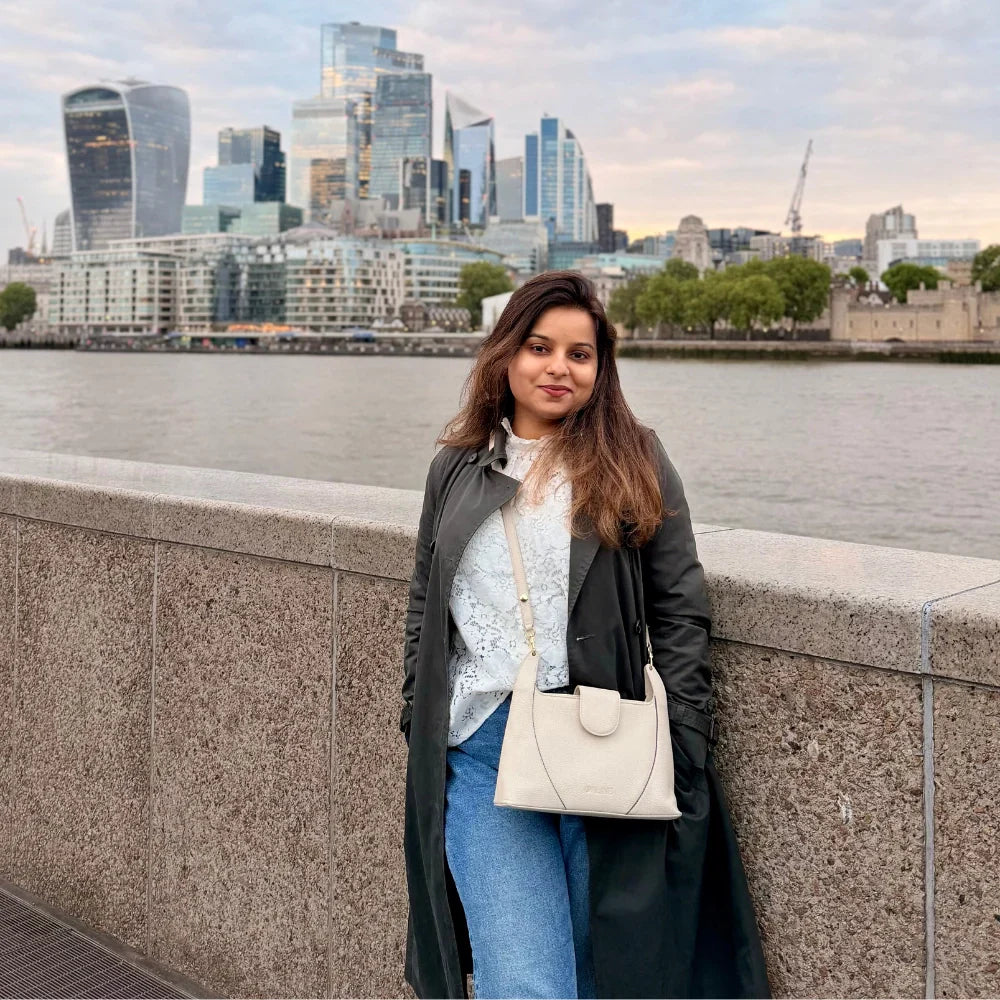
The Opera handbag for women is Opaline's answer to the same question the archives are asking. A classic structured handbag with a clean line, available in ivory and moss green, it’s designed not for a moment but for a wardrobe. The kind of piece you do not replace when trends shift; one that gets better as it gets more yours. In a season celebrating the cult bag, the Opera is already making its case.
 The Opera Handbag in Moss Green
The imperfect bag, continued
Recent seasons gave us overstuffed bags with items practically spilling out. Fashion's way of saying: we see you. For spring 2026, the mood shifted in an equally radical way. We saw the unfastened bag, worn open, unzipped, unclasped. Carried as though the contents were already mid-tumble.
 It sounds counterintuitive for luxury. And yes, it’s technically a security risk that assumes a kind of safety most women do not have. But as a design statement, the now well-established "imperfect" bag trend makes complete sense.
Contrary to the widespread belief that luxury bags should be treated like relics, today's runways treat them humanely, as if they serve us rather than the other way around. That is why they are sometimes crumpled, sometimes overfilled, and sometimes left casually open. Fendi, Louis Vuitton, and Loewe all leaned into this with practical interiors, generous openings, the suggestion that a bag is a tool, not a trophy.
Opaline's “Life Uninterrupted” campaign was built on this truth, showing real women, in real settings. The oversized tote being filled in a hurry before a meeting, essentials going in fast and not entirely neatly, the bag open, the woman already moving. It’s a portrait of how luxury is carried IRL, not preserved behind glass, or saved for special occasions, but used, every day, by someone with somewhere to be.
Beyond the season
Fashion weeks are loud by design. The spectacle is the point. But when you strip back the set dressing and the front-row theatre, summer 2026 said something quite straightforward: enough with the idea that luxury lives behind glass, preserved for occasions that never quite arrive.
What the best collections showed across houses large and small, archival and new, was that a bag earns its value by being used. Opened in a hurry a hundred times a day, carried on a chain.
Opaline has been making this case since its inception with good leather, considered hardware, and handbags designed for real wardrobes and real days. In a season that finally put these values at the centre of the conversation, Opaline did not need to catch up.